Source Organic Maca Weight Gain Gummies for Energy, Fitness, and Wellness
Find 30 listings for organic maca weight gain gummies tailored for adult health care and daily nutrition. Compare specifications including HPLC assay methods, HACCP and ISO certifications, and OEM customization options to identify suitable suppliers for your brand.
Key considerations
Products List




Comprehensive Sourcing Guide
Organic Maca Weight Gain Gummies Sourcing Guide
The market for organic maca weight gain gummies presents a specialized niche where functional nutrition meets convenient delivery formats. Based on observed product listings, these items are primarily categorized under health care products and food supplements, targeting adults seeking energy support and muscle growth enhancement. The core formulation often integrates maca root extract with other functional ingredients, positioned as a natural solution for daily vitality. Buyers must recognize that while the product name suggests a specific weight gain function, the actual application scope in the current supply data includes broader health care benefits such as immune support and anti-fatigue effects.
Procurement strategies for this category require a clear distinction between the marketing claims and the verified product attributes. The observed listings indicate that these gummies are typically formulated with 100% natural ingredients and are designed for unisex consumption, though specific exclusions apply to pregnant women, newborns, and children. Sourcing decisions should be grounded in the understanding that the product serves as a dietary supplement rather than a medical treatment, with a primary focus on providing energy and supporting overall physiological function.
Product Scope and Observed Listing Signals
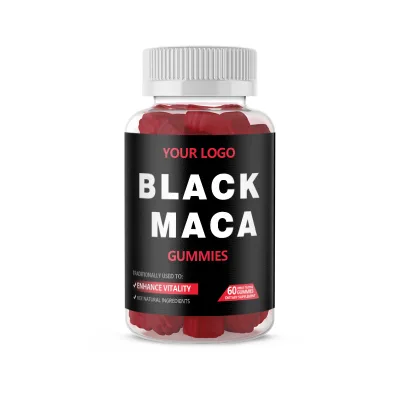
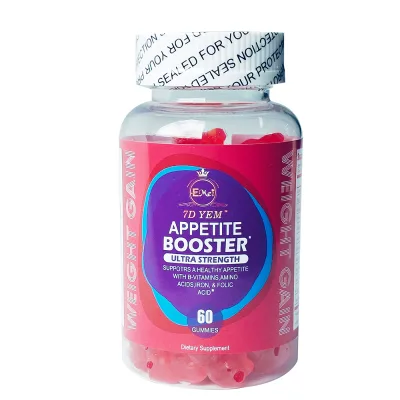
Current market signals indicate that the product form is consistently delivered as gummy candies, with a standard dosage of 500mg per gummy unit. The physical appearance is described as concrete gummies, often featuring fruit flavors to enhance palatability and compliance with daily usage routines. Packaging configurations observed in the supply chain typically involve 60 gummies per bottle, with carton quantities varying to accommodate bulk logistics, such as 50 bottles per carton. This standardized packaging facilitates easier inventory management for distributors while allowing for customization options like private labeling and custom bottle designs.
Buyers should note that while the core keyword focuses on maca, the observed product data also includes variations such as vitamin C gummies and ashwagandha gummies, suggesting a flexible manufacturing capability among suppliers. The application form is explicitly listed as gummy candy, distinguishing it from traditional capsules or tablets, which may appeal to consumers seeking a more enjoyable consumption experience. The shelf life for these products is generally observed to range from 24 months to 3 years, providing a substantial window for distribution and retail sales without compromising product integrity.
Technical Specifications to Verify
Verification of the assay method is critical for ensuring the potency and consistency of the active ingredients within the gummies. The supply data highlights High-Performance Liquid Chromatography (HPLC) as a standard assay method used to quantify the concentration of key components, such as the 500mg per gummy specification. Buyers must confirm that the supplier utilizes this analytical technique to validate the presence and purity of maca extract or other active botanicals, ensuring that the product delivers the promised therapeutic or nutritional value.
Storage and handling specifications are equally vital to maintain the physical and chemical stability of the gummies throughout the supply chain. The observed requirements mandate storage in dry and cool environments with moisture-proof packaging to prevent degradation or texture changes. The product state is described as concrete, indicating a solid form that requires specific humidity controls during transit. Procurement contracts should explicitly define these storage parameters to ensure that the final product arrives at the destination with its intended texture, flavor, and potency intact.
Compliance and Safety Documentation
Navigating the regulatory landscape for organic maca gummies requires a thorough review of the supplier's certification portfolio. The observed listings demonstrate a high level of compliance with international standards, including HACCP, ISO, GMP, and FDA approvals. Additionally, specific certifications such as KOSHER, JAS, OCIA, NOP, and BRC are frequently cited, indicating that the products meet rigorous organic and food safety criteria. Buyers should verify that the specific batch they intend to purchase carries the relevant certifications for their target market, as regulatory requirements vary significantly by region.
Safety documentation must also address the specific demographic exclusions and usage warnings associated with the product. The supply data explicitly notes that these gummies are not applicable for pregnant women, newborns, or children, a critical safety constraint that must be reflected in all labeling and marketing materials. Furthermore, the product features are listed as low-salt and vitamin-enriched, which requires verification of the ingredient list to ensure that no allergens or contraindicated substances are present. Buyers should request a Certificate of Analysis (CoA) that confirms the absence of heavy metals, pesticides, and other contaminants to validate the "100% Nature" and "Organic" claims.
Cost Drivers and Commercial Terms
The pricing structure for organic maca weight gain gummies is influenced by the complexity of the formulation and the level of customization required. Observed price ranges in the market span from $0.02 to $6.20 per unit, a variance that likely reflects differences in ingredient quality, dosage strength, and packaging complexity. The Minimum Order Quantity (MOQ) is equally variable, ranging from 3 units to 50,000 units, allowing flexibility for both small-scale startups and large-scale distributors. Buyers must align their order volume with their budget constraints and storage capabilities, as higher MOQs often correlate with more favorable unit pricing.
Commercial terms regarding OEM and ODM services are a significant cost driver in this sector. The supply data confirms that customization of labels and packing bottles is acceptable, with many suppliers offering private label services. This level of customization allows brands to differentiate their products but may incur additional setup costs or longer lead times. Buyers should negotiate clear terms regarding the ownership of molds, the timeline for sample approval, and the cost implications of custom packaging designs to avoid unexpected expenses during the production phase.
Supplier Qualification and Quality Control
Supplier qualification in the maca gummies sector hinges on the ability to demonstrate consistent quality control across the production lifecycle. The observed data indicates that suppliers in Shaanxi, China, are active in this space, offering products that meet various international standards. Buyers should prioritize suppliers who can provide evidence of their GMP and HACCP compliance, as these certifications are essential for maintaining food safety and operational excellence. Additionally, the availability of customization services suggests that the supplier has the technical capacity to adapt production lines to meet specific brand requirements.
Quality control protocols must extend beyond the final product to include raw material sourcing and manufacturing processes. The "Healethcare Products" grade and the emphasis on natural organic ingredients suggest a focus on high-quality botanical inputs. Buyers should request detailed information on the supply chain for the maca root, including the origin of the raw materials and the methods used for extraction and processing. Implementing a robust quality assurance plan that includes pre-shipment inspections and third-party testing can mitigate the risks associated with product inconsistency or non-compliance.
Long-Term Procurement Checks
Sustaining a successful procurement relationship for organic maca gummies requires ongoing monitoring of product performance and market trends. The observed shelf life of 2 to 3 years provides a buffer for long-term planning, but buyers must regularly audit inventory rotation to ensure that older stock is sold before expiration. The product's main function, which includes immune support and energy provision, should be validated against consumer feedback and sales data to ensure continued market relevance. Regular reviews of the product's effectiveness claims, such as "quick effect" and "muscle growth," are necessary to maintain brand integrity and consumer trust.
Future procurement strategies should account for potential changes in regulatory requirements and consumer preferences. As the market for functional gummies evolves, suppliers may introduce new formulations or adjust existing ones to meet emerging health trends. Buyers should maintain open communication with their suppliers to stay informed about new certifications, ingredient innovations, and packaging advancements. Establishing a long-term partnership with a qualified supplier who demonstrates adaptability and a commitment to quality will be essential for navigating the dynamic landscape of the health and wellness industry.
FAQs
What certifications do these gummies have?
These gummies hold HACCP, ISO, GMP, and FDA certifications. Some listings also include KOSHER, JAS, OCIA, and NOP standards. These credentials ensure compliance with international food safety and quality management systems for global B2B sourcing.
Can I customize the label and packaging?
Yes, OEM and ODM services are available for customized labels and packaging bottles. You can choose between 60 gummies per bottle or other customized options. This flexibility supports private label branding and specific market requirements.
What is the minimum order quantity?
The minimum order quantity ranges from 3 to 50,000 units. This wide range accommodates both small trial orders and large-scale industrial purchases. Buyers can negotiate specific MOQs based on their production volume and supply chain needs.
How long is the shelf life?
The shelf life is typically 2 to 3 years when stored correctly. Products should be kept in a dry and cool place to maintain moisture proof integrity. This duration ensures product stability and quality for extended distribution periods.
Where are these gummies manufactured?
These gummies are manufactured in Shaanxi, China. The production facilities adhere to strict standards including HACCP and ISO certifications. This location serves as a central hub for sourcing high-quality health care products for international markets.
What is the dosage per gummy?
Each gummy contains 500mg of active ingredients. The product is designed for adult consumption and is not suitable for pregnant women, newborns, or children. This standardized dosage ensures consistent intake for daily health care routines.